

Jason L Ward is a columnist at Windows Central. He provides unique big picture analysis of the complex world of Microsoft. Jason takes the small clues and gives you an insightful big picture perspective through storytelling that you won't find anywhere else. Seriously, this dude thinks outside the box. Follow him on Twitter at @JLTechWord. He's doing the "write" thing!

Two main goals stand out as primary objectives for many companies: a desire for profitability, and the goal to have an impact on the world. Microsoft is no exception.
Microsoft's story is founded on the goal of having a world impact. Under the leadership of its first CEO Bill Gates, and on to his successor, Steve Ballmer, to its current leader Satya Nadella, Microsoft has been an integral part of social change and world affairs.
Nadella defines Microsoft as the "do more" company. Its mission as a platform provider is to equip individuals and businesses with the tools to "do more." Microsoft equipped these entities to achieve their goals and has been a global force that has profoundly affected communities, other companies, and individuals.
A computer on every desk and in every home
Four decades ago, Microsoft Founders Bill Gates and Paul Allen set the ambitious goal of putting a PC on every desk and in every home. Forty years later that goal has been largely realized. Over a billion PCs are now in use in businesses and homes around the world.
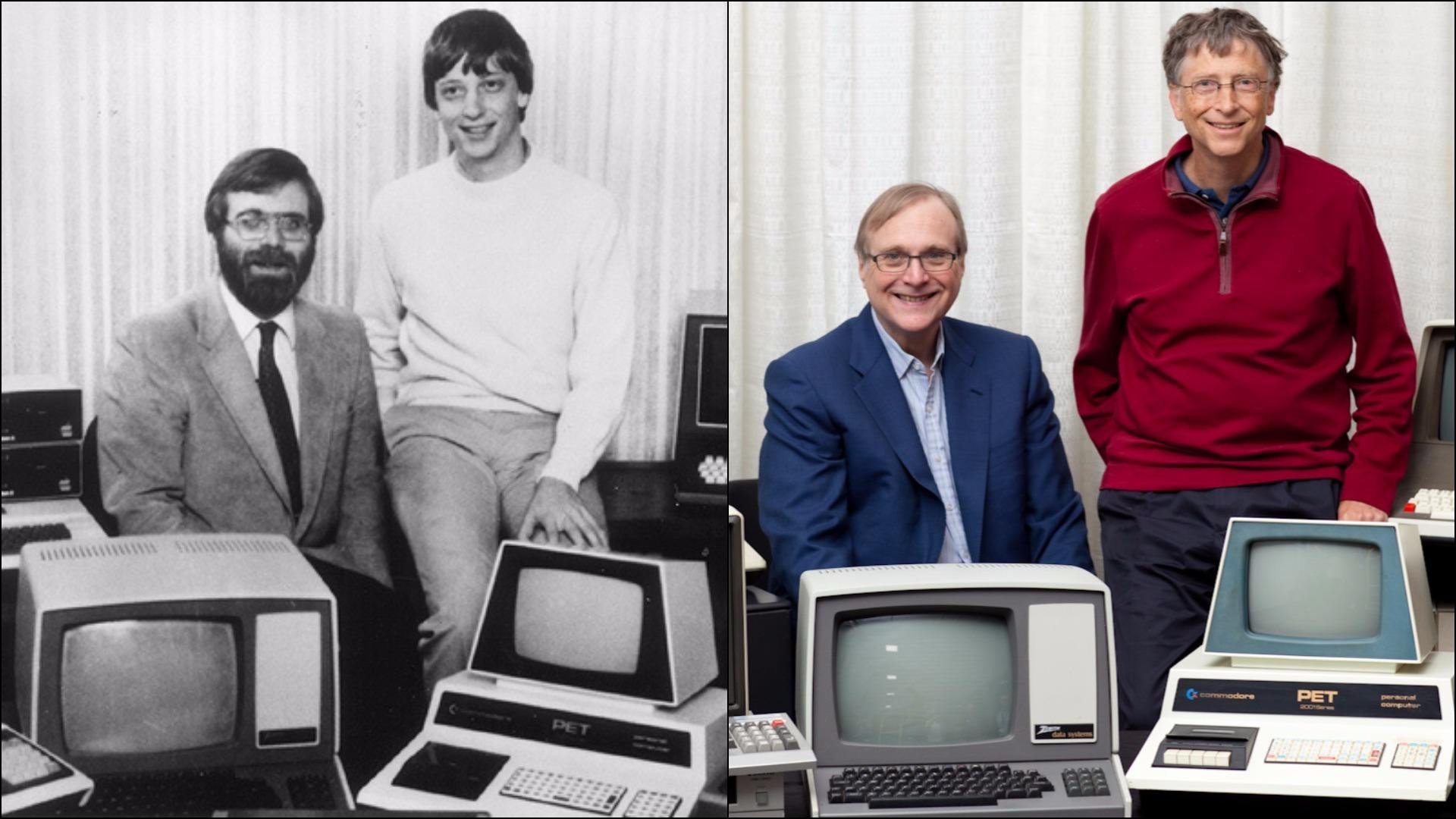
Ironically, in those early days of computing naysayers mocked the idea of personal home computers. The large enterprise-focused devices that defined what computers were, and what they were useful for, were not something doubters could reconcile as useful tools in homes. This negative perception didn't hinder Microsoft's objective to define personal computing, however.
In a pivotal deal with IBM in 1980, Microsoft created the PC-DOS operating system for a fee of $80,000. Recognizing that other PC makers might attempt to copy it, Microsoft retained the OS's copyrights. Eventually, Microsoft's MS-DOS became the foundation of the Windows OS that propelled the company's personal computing vision around the world. Through partnerships with PC makers, Windows became the dominant PC OS in businesses and homes around the globe. Microsoft grew from a company that employed just 30 people to a multibillion global force that employs 124,000 individuals and affects business, social and global change.
PC power to the people
With user-friendly tools like Windows, Office and MS Paint, Microsoft was successful with making computing, something that was remote and foreign to most people, a personal and easy experience. Consumers and businesses also benefitted from the fact that Microsoft's platform became the dev box and target of a massive community of developers who ultimately supplied Windows with 16 million programs.
Microsoft not only put a PC in every home and on every desk but was crucial to defining the relationships between OEMs, platform providers, developers, businesses and consumers that are the foundations of the present age of personal computing. Microsoft mainstreamed personal computing to the extent that PCs are now available in a range of formsand price points. Third-world countries, where there is no or limited electricity, are even provided with durable wind-up PCs.
PCs and Windows have become the fundamental tools that have helped authors write best sellers, artists create masterpieces, musicians craft music, social service and volunteer organizations monitor resources, manufacturers optimize production, banks power ATMs and much more. Their integration in almost every part of our lives has changed our world.
Though the PC market declined after the smartphone's advent, the existence of these "modern mobile PCs", is a testimony of Microsoft's impact on the world and personal computing. Especially since Microsoft's $150 million contribution to Apple in 1997 saved the Cupertino company, enabling it to exist long enough to introduce the world-changing iPhone in 2007.
Business and government the Redmond way
Many of the world's businesses, which drive local and global economies and have intricate relationships with and impact on local and global communities, run on a Microsoft-based IT infrastructure. From Windows Server to Intune device management, to Azure cloud services, to Surfacedeployment, Office 365 and more, Microsoft is the platform that many large and small businesses around the world run on.
The global scope and the impact of these relationships cannot be overstated. Multibillion-dollar companies rely on the integrity and reliability of Microsoft's tools daily. We have witnessed the impact and costs to businesses when these systems are compromised.
Businesses are not the only high-profile consumers of Microsoft tools. Governments, from local municipalities to agencies like the U.S. Department of Defense to various governments around the world, such as China, rely on Windows and other Microsoft services for smooth operations and security.
It is a testimony to the powerful role Microsoft plays in global affairs that its tools are relied upon by governments around the world.
Head of the class
Despite Google's success in the U.S., Microsoft in Education is still the dominant force in school systems around the world.
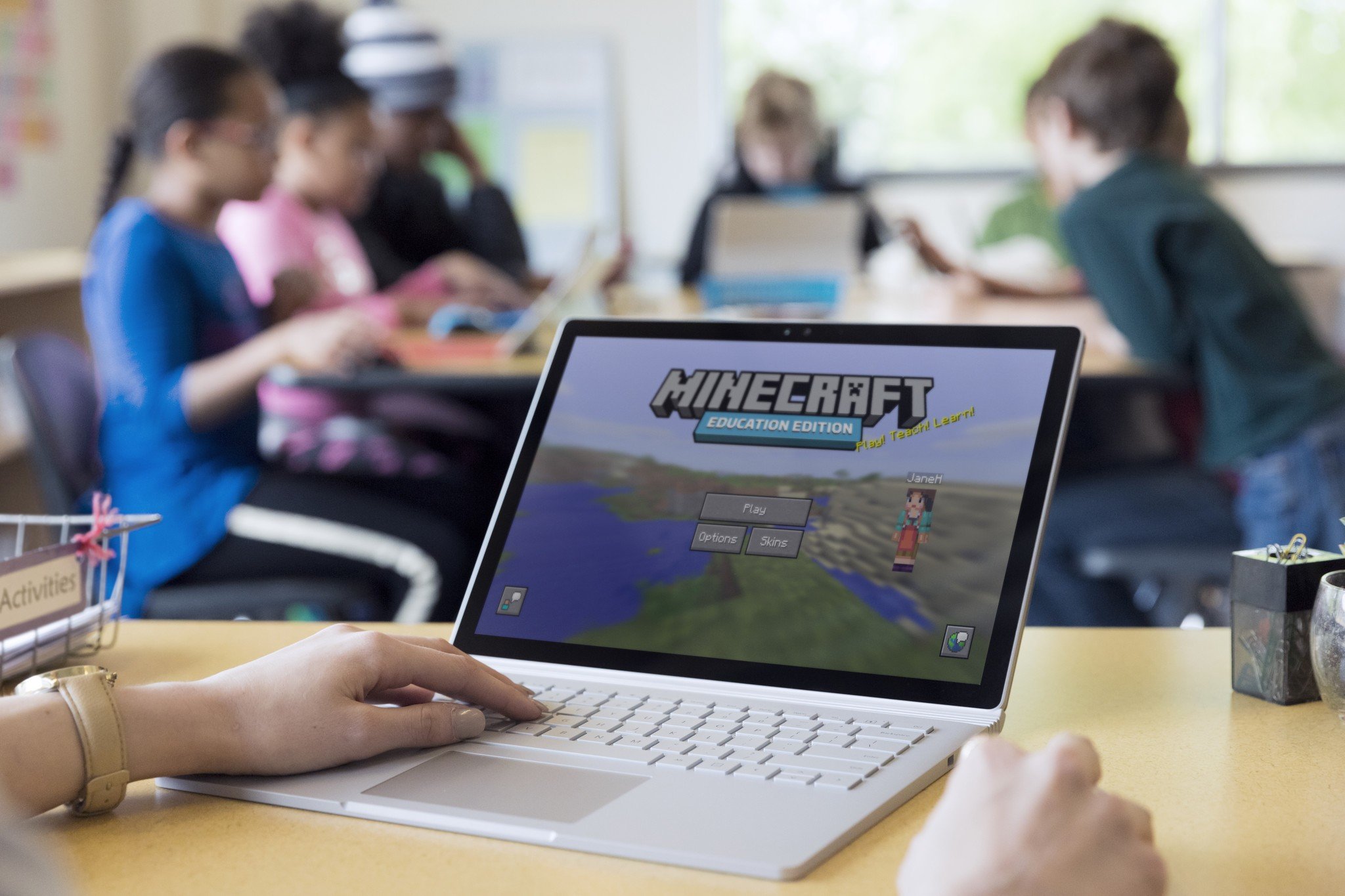
To bolster its efforts, Microsoft purchased and integrated the popular game Minecraft into its education strategy. It also created Windows 10 S, which runs only Store apps and is bringing affordable Windows 10 S PCs to elementary and secondary school systems, and the Windows 10 S Surface Laptop to college students. With various management tools like Intune for Education Microsoft has improved administrators abilities to manage and deploy hardware.
Microsoft's goal with its education efforts is to familiarize the next generation of decision-makers and employees with the Microsoft toolsthat it has established as the drivers of businesses and governments around the world.
A seat at the table
Microsoft's position of global influence gives its leadership a voice on matters of moral consequence and humanitarian concern. The company notably exercised that voice in its stance against the Trump administrationin relation to its handling of the events in Charlottesville, Va., where an anti-protester was murdered and others were injured during a white supremacist rally.
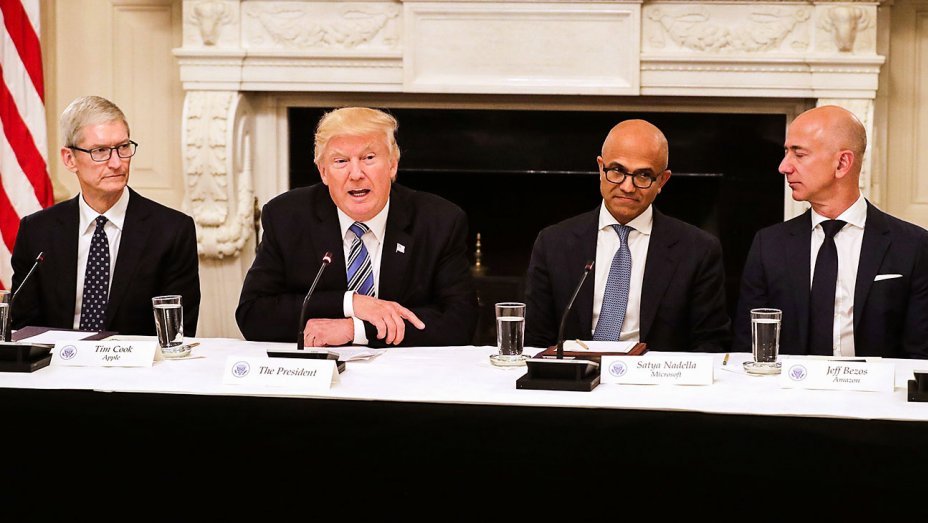
More recently, Microsoft President Brad Smith, who recently left the Digital Advisory Committee due to the aforementioned concerns, expressed Microsoft's opposition to the Trump administrations ending of the Deferred Action for Childhood Arrivals (DACA) program.
This program currently protects 800,000 U.S. immigrants that were brought to the country as children from deportation. Smith expressed the following of the 39 "Dreamers," (as they are called), that Microsoft employs:
In short, if Dreamers who are our employees are in court, we will be by their side.
Microsoft's resources have also been employed to provide relief to victims of Hurricane Harvey. The massive wealth Bill Gates reaped from the company he cofounded has been used to provide education support, health care efforts and other philanthropic global work via the Bill and Melinda Gates Foundation.
Looking forward
Microsoft is a company built on a dream that has been largely accomplished. Though it has had many misses, including smartphones, Zune, and Microsoft Bob, the company is looking forward. Surfaceintroduced a new PC category, Windows 10 on ARM opens the door to potential telephony-enabled PCs, and Windows Mixed Reality and HoloLens position the company to democratize augmented and virtual reality for a future of holographic computing.
Microsoft's influence raises some concerns as well. It's AI-driven camera technology that can recognize, people, places, things, and activities and can act proactively has a profound capacity for abuse by the same governments and entities that currently employ Microsoft services for less nefarious purposes.
Additionally, visionaries like Gates, Tesla's Elon Musk and physicist Stephen Hawking have concerns about rouge AI and quantum computing.
What the future holds is uncertain, but one thing is clear: Microsoft has changed the world, and its impact will leave enduring effects long into the future.

